Roof survey and moisture assessment
Full walk of the existing roof with documentation of drainage, penetrations, deck condition, and saturated insulation that must be removed.


Licensed & insured · 25 years
Connect with us


Commercial Single-Ply · Bowie County
TPO gives commercial and industrial properties a reflective, chemically welded membrane with no adhesive seams to fail. Installed correctly, it is one of the most cost-effective low-slope systems available. Available throughout Texarkana and surrounding Bowie County communities.
Storm-resistant roofing for the Texarkana metro on both sides of the state line. Local exposure is what should drive material and detailing decisions, so here is what roofs in this market actually deal with:
Also serving nearby: Wake Village, Nash, New Boston, Hooks, Atlanta, Maud
Thermoplastic polyolefin has taken over commercial low-slope roofing for two reasons. First, the seams are hot-air welded, which fuses adjacent sheets into a single continuous membrane rather than relying on adhesive that degrades over time — seams are historically where single-ply roofs fail, and welding largely removes that failure mode. Second, standard TPO is bright white and highly reflective, sending solar heat back instead of into the building.
For a warehouse, retail box, office building, or any structure with substantial conditioned space under a large roof, that reflectivity translates directly into lower cooling load through a long Gulf-South summer. Combined with polyiso insulation at the right R-value, a TPO assembly meaningfully changes the building envelope, not just the waterproofing.
The variables that determine performance are membrane thickness, attachment method, and detail work. We install 45, 60, and 80 mil membrane, mechanically attached or fully adhered based on wind exposure and deck type, and we weld and probe-test every seam. Curbs, drains, scuppers, pipe penetrations, and parapet terminations are detailed with manufacturer-approved accessories so the warranty holds.
Everything above applies to tpo roofing projects in Texarkana. We inspect, quote, install, and warranty the work locally, and every estimate is written line by line so you can compare it fairly against any other bid you receive.
This is the full scope, not an upsell list. Anything we would have to add later is identified during the inspection and stated in the written estimate.
Full walk of the existing roof with documentation of drainage, penetrations, deck condition, and saturated insulation that must be removed.
A clear recommendation on whether the new TPO can go over the existing assembly or requires removal, based on layer count, saturation, and code.
Polyiso insulation to the specified R-value plus a cover board that protects the membrane from hail, rooftop traffic, and substrate movement.
Membrane laid out, attached to the engineered fastening pattern or fully adhered, with every seam hot-air welded and probe-tested along its length.
Manufacturer-approved pipe boots, corner and curb wraps, drain and scupper assemblies, walk pads at service paths, and terminated parapet flashing.
Engineered edge metal and termination bar detailing that resists wind uplift at the perimeter — the zone where low-slope roofs are most often lost.
Hot-air welding fuses the sheets chemically. The finished seam is typically stronger than the surrounding membrane and does not dry out, shrink, or peel the way adhesive laps do.
A reflective white membrane keeps a large fraction of solar heat out of the building, which shows up directly in summer cooling cost on a large-footprint roof.
Single-ply membrane adds far less dead load than a multi-ply built-up assembly, which matters on recover projects and older structures.
TPO resists grease, oils, and rooftop chemical exposure well, making it a practical fit for restaurants, food service, and industrial facilities.
Wide sheets cover large spans quickly with no torches, kettles, or hot asphalt odor, so occupied buildings stay usable during the work.
When installed to specification with approved accessories, TPO systems qualify for substantial manufacturer warranty terms — which requires exactly the detail discipline we build into every job.
From first call to final walkthrough, you always know what happens next.
We map the roof, check for trapped moisture, evaluate drainage and penetrations, and determine deck type and attachment requirements.
A written scope specifying membrane thickness, attachment method, insulation R-value, drainage corrections, and warranty term.
Sequencing, staging, crane or hoist access, and safety planning arranged around your operating schedule and tenant needs.
Removal of failed materials, deck repair, and installation of insulation and cover board with tapered design where drainage requires it.
Sheets set and attached, seams welded and probe-tested, then all curbs, penetrations, drains, and terminations completed with approved accessories.
Seam verification, drainage check, photo documentation, joint walkthrough, and submission of warranty registration with a maintenance schedule.
We match the system to the building and the exposure rather than defaulting to whatever is cheapest to stock.
The commercial workhorse thickness — a strong balance of puncture resistance, longevity, and cost for most buildings.
Heavier membrane for roofs with regular service traffic, hail exposure, or where the longest available warranty term is the objective.
A budget-conscious option suited to low-traffic roofs and shorter planned ownership horizons.
High R-value rigid board that carries the thermal performance of the assembly, layered and staggered to limit thermal bridging at the joints.
A dense protective layer between insulation and membrane that dramatically improves hail and puncture resistance.
Manufacturer pipe boots, corners, curb wraps, drain assemblies, walk pads, termination bar, and edge metal — required for warranty compliance.
This service is usually the right fit when:
Any of these is worth an inspection before it becomes interior damage:
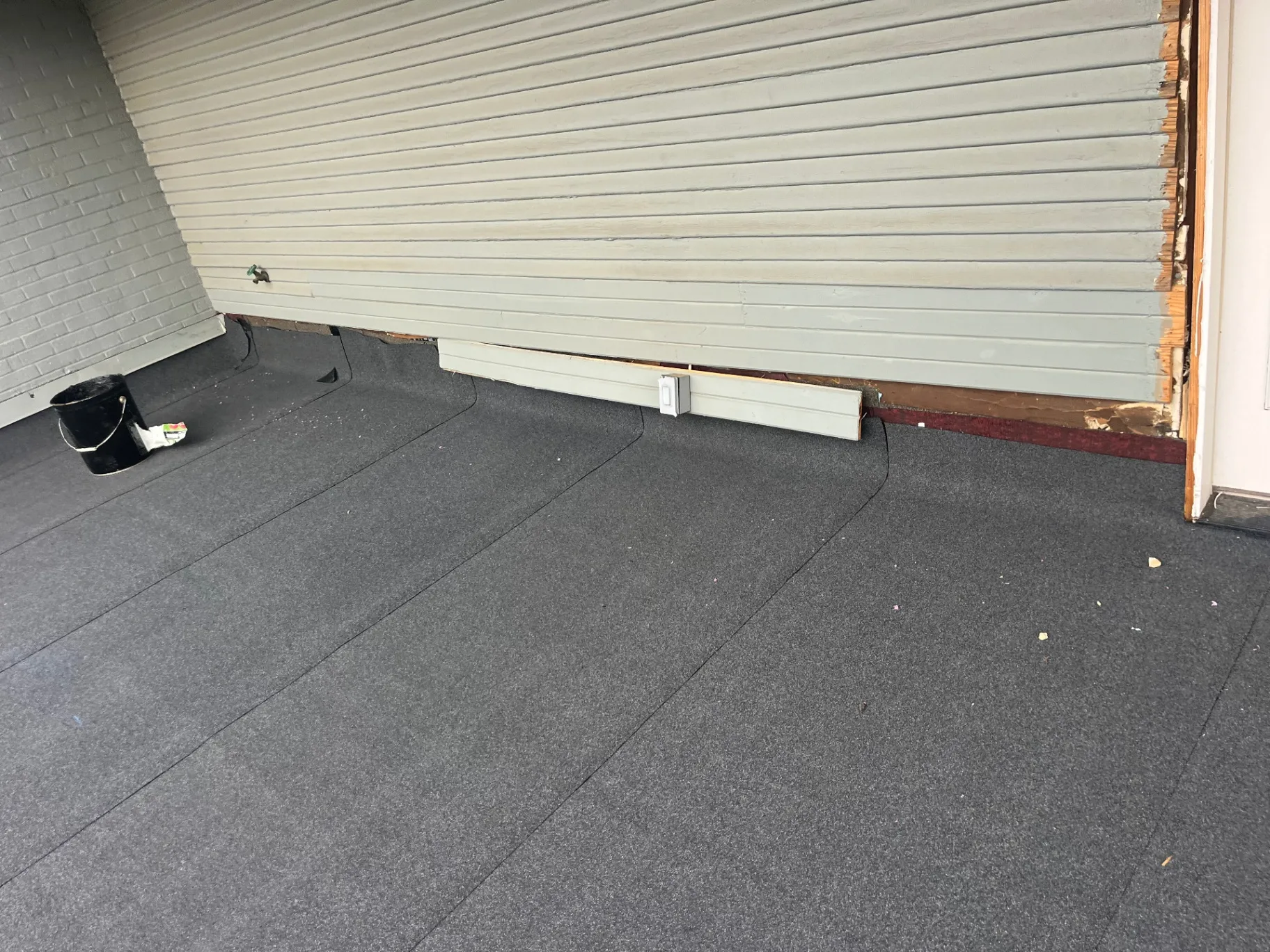

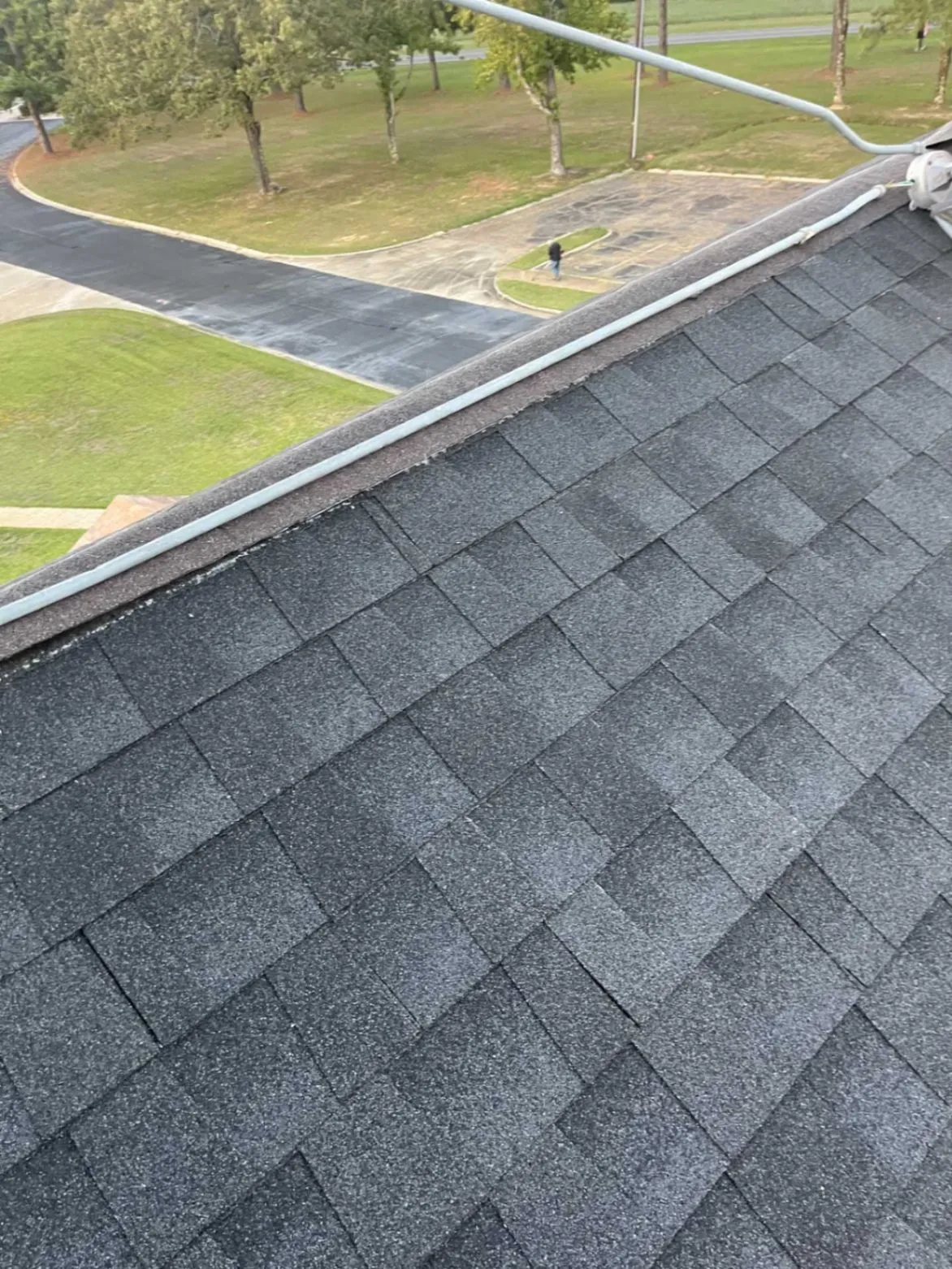
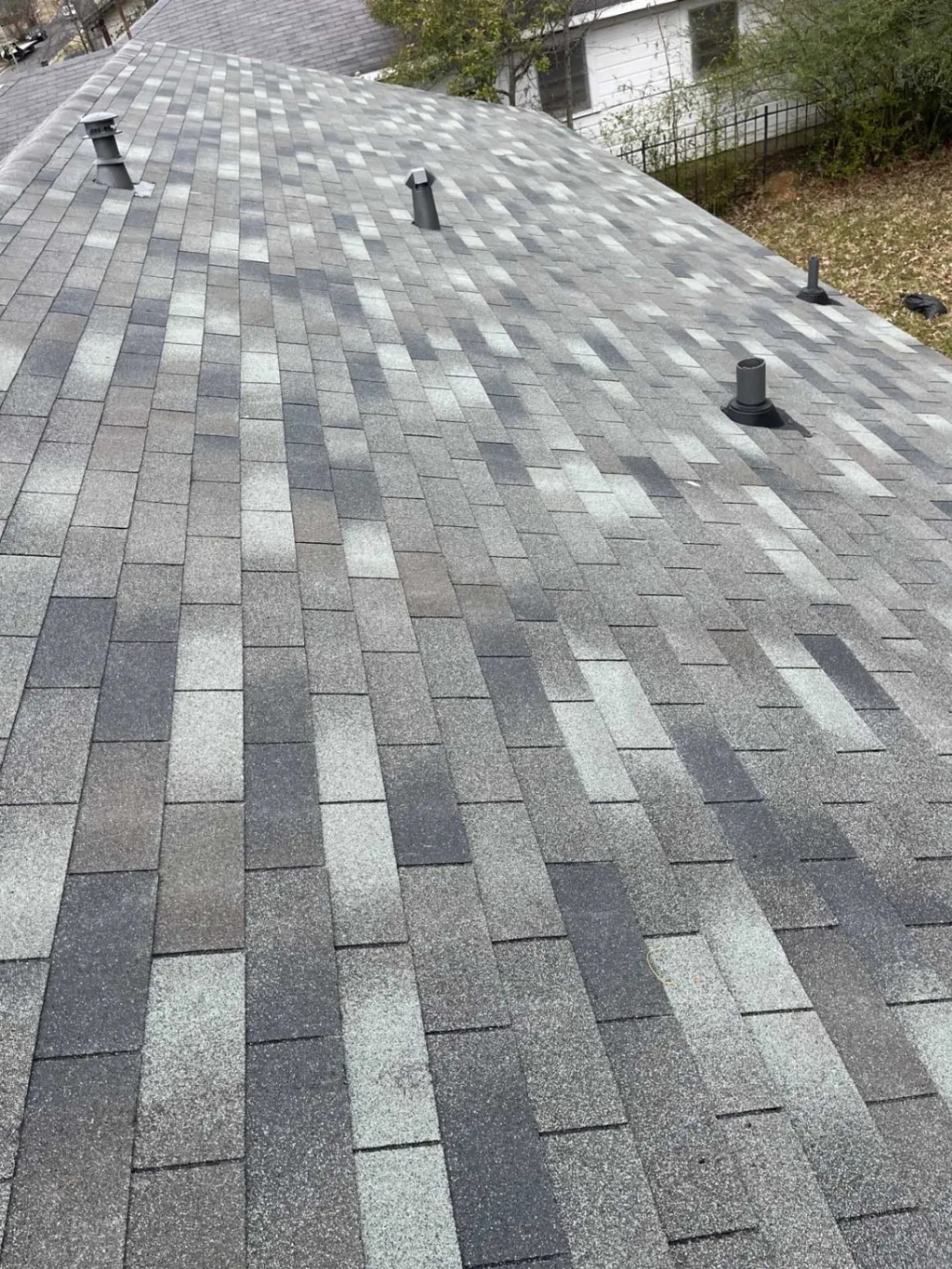
Request a commercial roof survey with a written TPO system specification covering membrane thickness, attachment method, insulation, and warranty term.
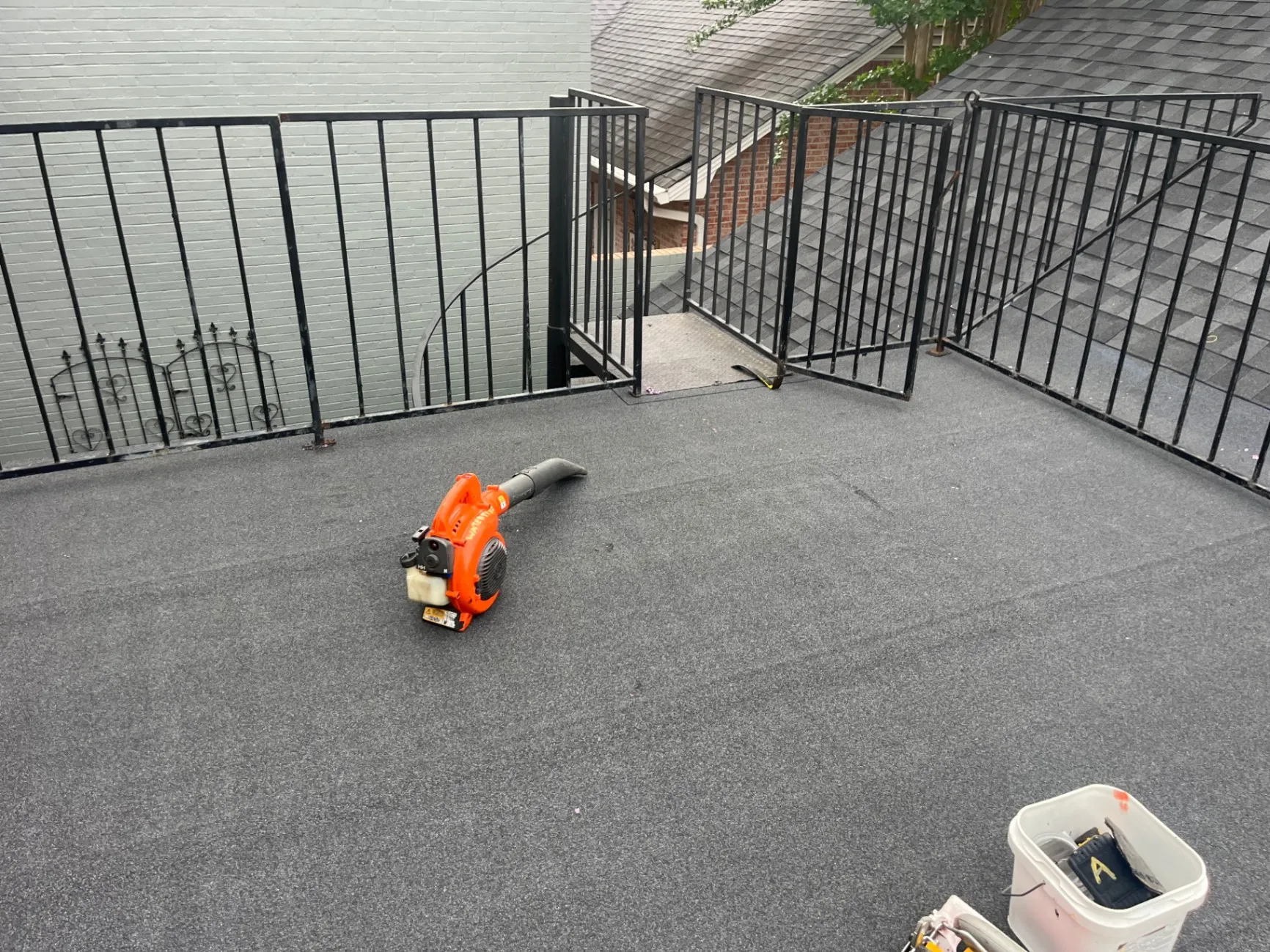
Low-slope roof systems engineered around drainage, not just coverage.
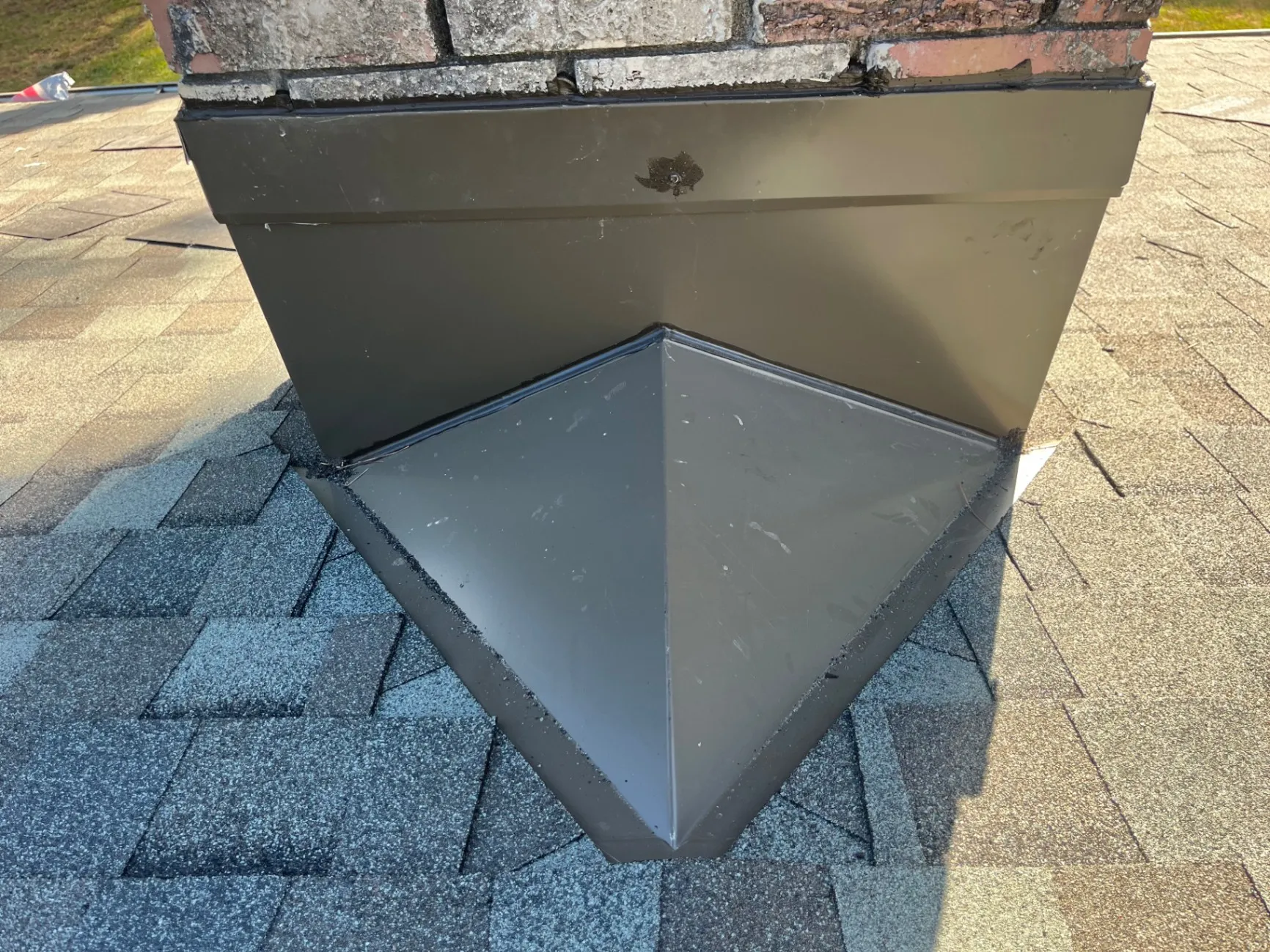
Standing seam and exposed-fastener metal roofs built for heat, hail, and high wind.
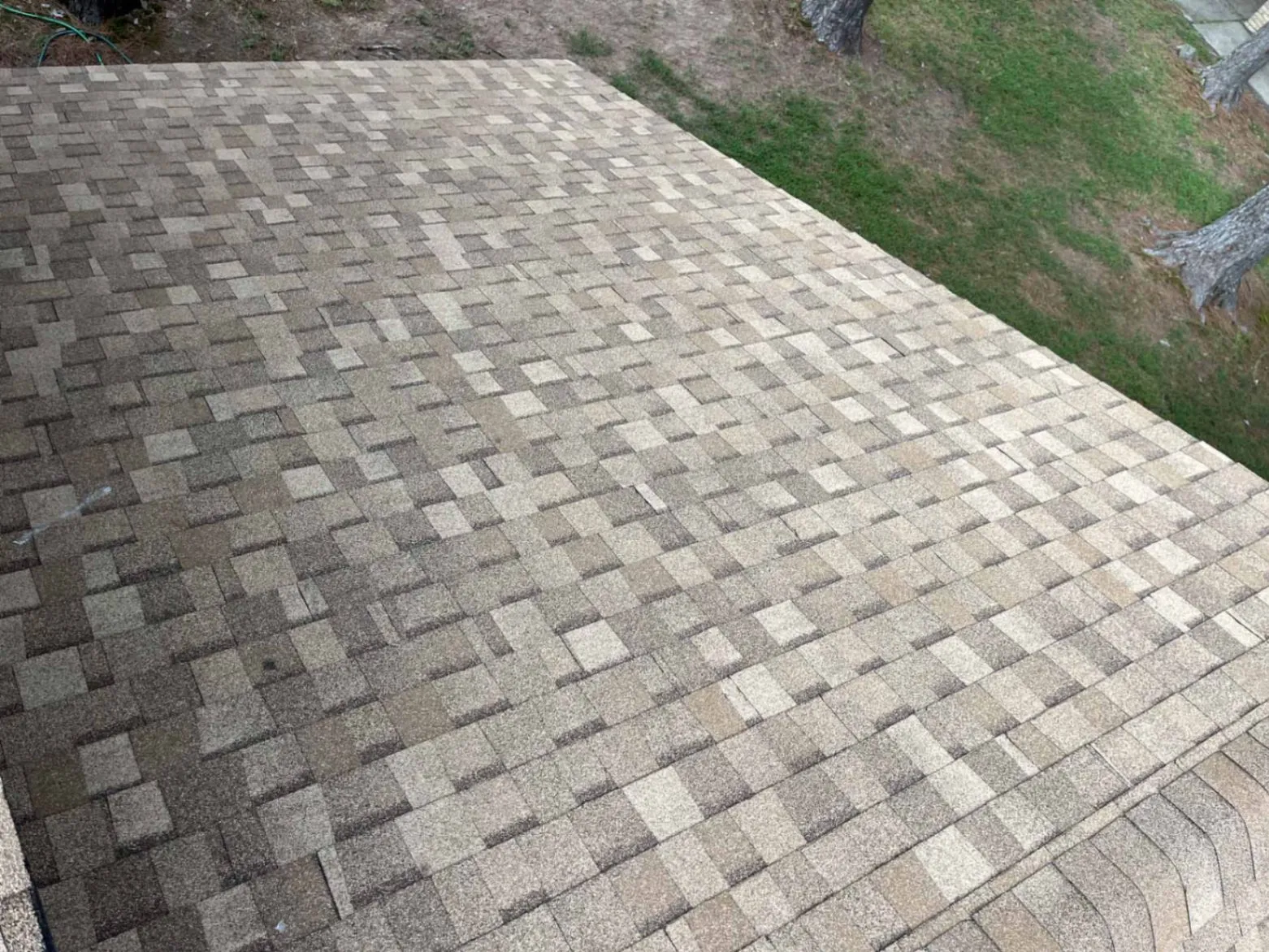
Architectural and impact-rated asphalt shingle roofs installed to full manufacturer spec.