Leak diagnostics and moisture survey
We trace the actual entry point rather than patching where the stain appears, and identify saturated insulation that has to come out before a new system goes on.


Licensed & insured · 25 years
Connect with us


Low-Slope System · Bowie County
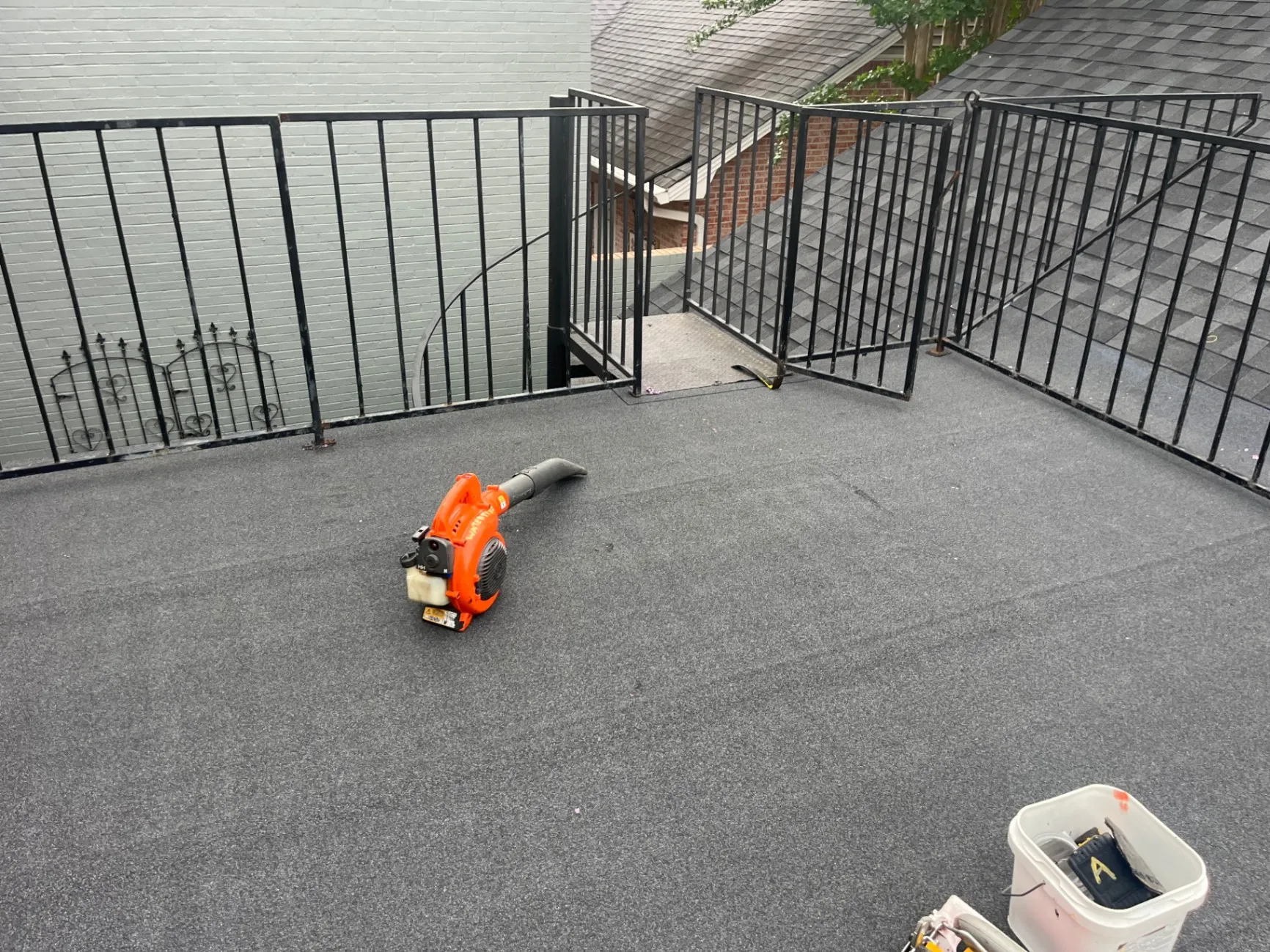
Flat roofs fail at the details: drainage, seams, flashing, and terminations. We build low-slope systems that move water off the roof and seal every place it tries to get in. Available throughout Texarkana and surrounding Bowie County communities.
Storm-resistant roofing for the Texarkana metro on both sides of the state line. Local exposure is what should drive material and detailing decisions, so here is what roofs in this market actually deal with:
Also serving nearby: Wake Village, Nash, New Boston, Hooks, Atlanta, Maud
A flat roof is never truly flat. It is a low-slope assembly that depends on positive drainage, and the single most common reason these roofs fail early is standing water that never leaves. Ponding accelerates membrane breakdown, loads the structure, finds the smallest seam defect, and turns a minor issue into interior damage.
Our approach starts with where the water goes. We evaluate slope, drains, scuppers, internal drainage, parapet conditions, and whether the existing insulation is saturated. From there we specify the right system: modified bitumen for durability and straightforward repairability, built-up roofing where a heavy multi-ply assembly makes sense, or a single-ply membrane where reflectivity and speed of installation matter most.
Flat roofing covers a wide range of properties — commercial buildings, retail and office space, warehouses, and the low-slope sections over residential additions, porches, and carports. Each one gets the same treatment: correct substrate preparation, properly detailed flashing at every wall and penetration, and terminations that will not lift when the wind gets under them.
Everything above applies to flat roofing projects in Texarkana. We inspect, quote, install, and warranty the work locally, and every estimate is written line by line so you can compare it fairly against any other bid you receive.
This is the full scope, not an upsell list. Anything we would have to add later is identified during the inspection and stated in the written estimate.
We trace the actual entry point rather than patching where the stain appears, and identify saturated insulation that has to come out before a new system goes on.
Assessment of slope, drains, scuppers, and ponding areas, with tapered insulation or crickets designed to move water where it needs to go.
An honest evaluation of whether the existing assembly can be recovered or must be removed, based on saturation, layer count, and deck condition.
Deck repair, cover board, and insulation to the specified R-value, mechanically attached or adhered to match the building and wind exposure.
Full membrane installation with properly lapped, sealed, or welded seams depending on system, installed to manufacturer specification for warranty eligibility.
Parapet walls, curbs, HVAC units, pipe penetrations, drains, scuppers, and edge metal — every transition detailed and terminated correctly.
Correcting ponding is the difference between a roof that lasts its rated life and one that fails in half the time. We solve the water path before we sell you a membrane.
Low-slope roofs put HVAC equipment, vents, and service access on the roof instead of consuming ground space — as long as curbs and walk paths are detailed properly.
On wide commercial footprints, low-slope systems cover far more square footage per dollar than steep-slope framing and materials.
Modified bitumen and BUR systems can be repaired section by section, and many aging roofs can be restored with a coating system instead of a full replacement.
We phase work, stage material to keep access open, and schedule around operating hours so tenants and customers are not shut out.
Scheduled inspections that catch seam separation, clogged drains, and flashing movement while they are still inexpensive to fix.
From first call to final walkthrough, you always know what happens next.
We walk the roof, map penetrations and drainage, probe for saturated insulation, and photograph every problem area.
A written proposal comparing repair, restoration, and replacement — with the reasoning behind the recommendation and the trade-offs of each path.
Work sequenced by section with defined access, staging, and safety measures so the building keeps running.
Tear-off of failed assemblies, deck repair, and installation of insulation and cover board with the tapered design that fixes drainage.
Membrane applied to spec, followed by complete flashing at parapets, curbs, drains, scuppers, and every penetration.
Drainage verification, joint inspection, photo documentation of completed details, and warranty paperwork with a maintenance schedule.
We match the system to the building and the exposure rather than defaulting to whatever is cheapest to stock.
Asphalt-based membrane reinforced with polyester or fiberglass, applied in torch, cold-adhesive, or self-adhered systems. Tough, forgiving of foot traffic, and easy to repair.
The traditional multi-ply assembly of alternating bitumen and reinforcing felts, finished with gravel or a cap sheet. Very durable and highly redundant where the structure supports it.
TPO and comparable thermoplastic membranes installed as a single layer with heat-welded seams. Reflective, lightweight, and fast to install on large spans.
Rigid insulation for thermal performance plus a cover board that protects the membrane from hail, foot traffic, and substrate movement.
Factory-cut tapered panels and crickets that build positive slope into a dead-flat deck and eliminate ponding without structural changes.
Silicone and acrylic coating systems that can extend the service life of a sound but aging roof at a fraction of replacement cost.
This service is usually the right fit when:
Any of these is worth an inspection before it becomes interior damage:

Get a low-slope roof survey with leak diagnostics, drainage assessment, and a written comparison of repair, restoration, and replacement.
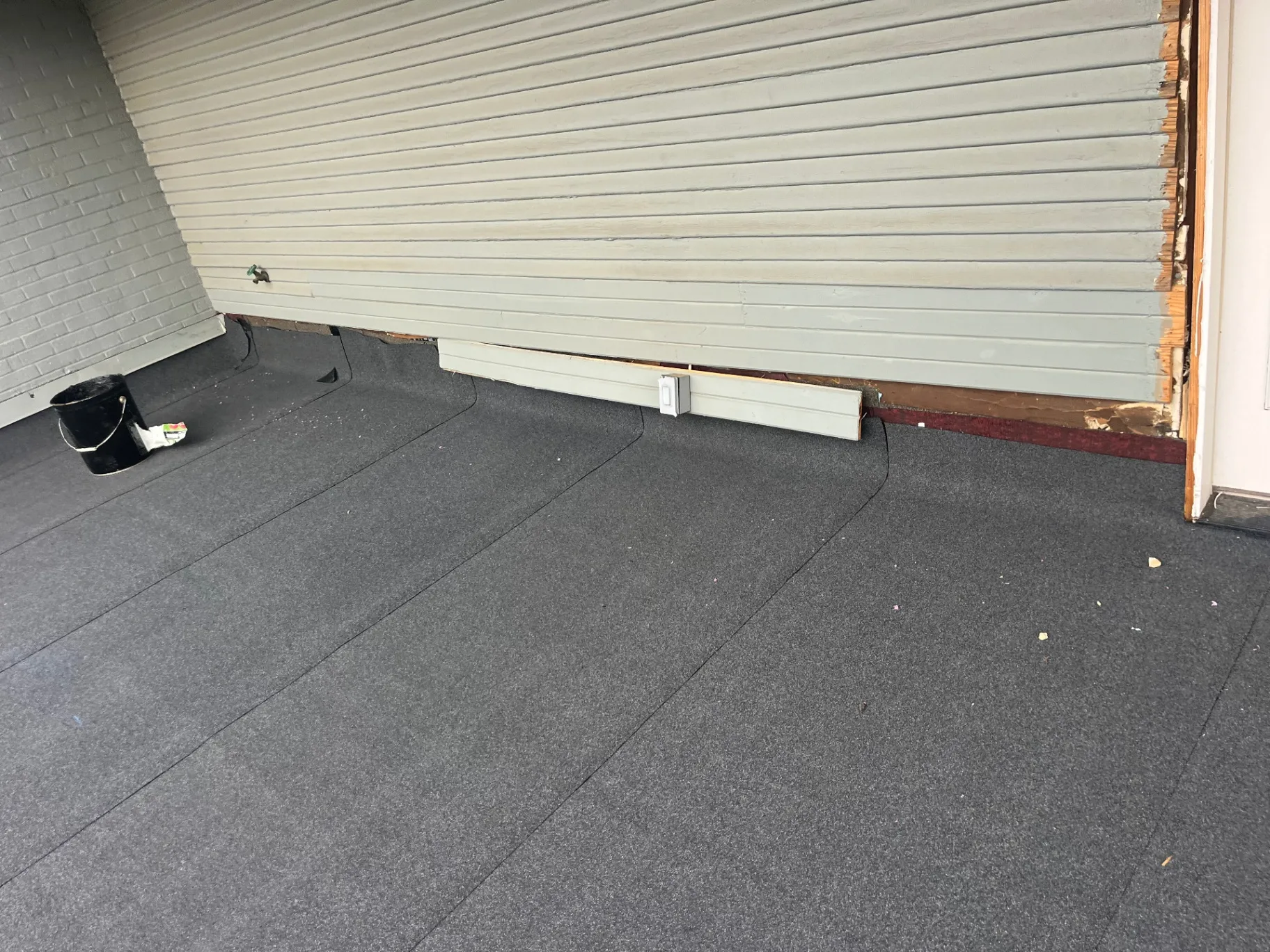
Heat-welded single-ply membrane that reflects heat and seals seams permanently.
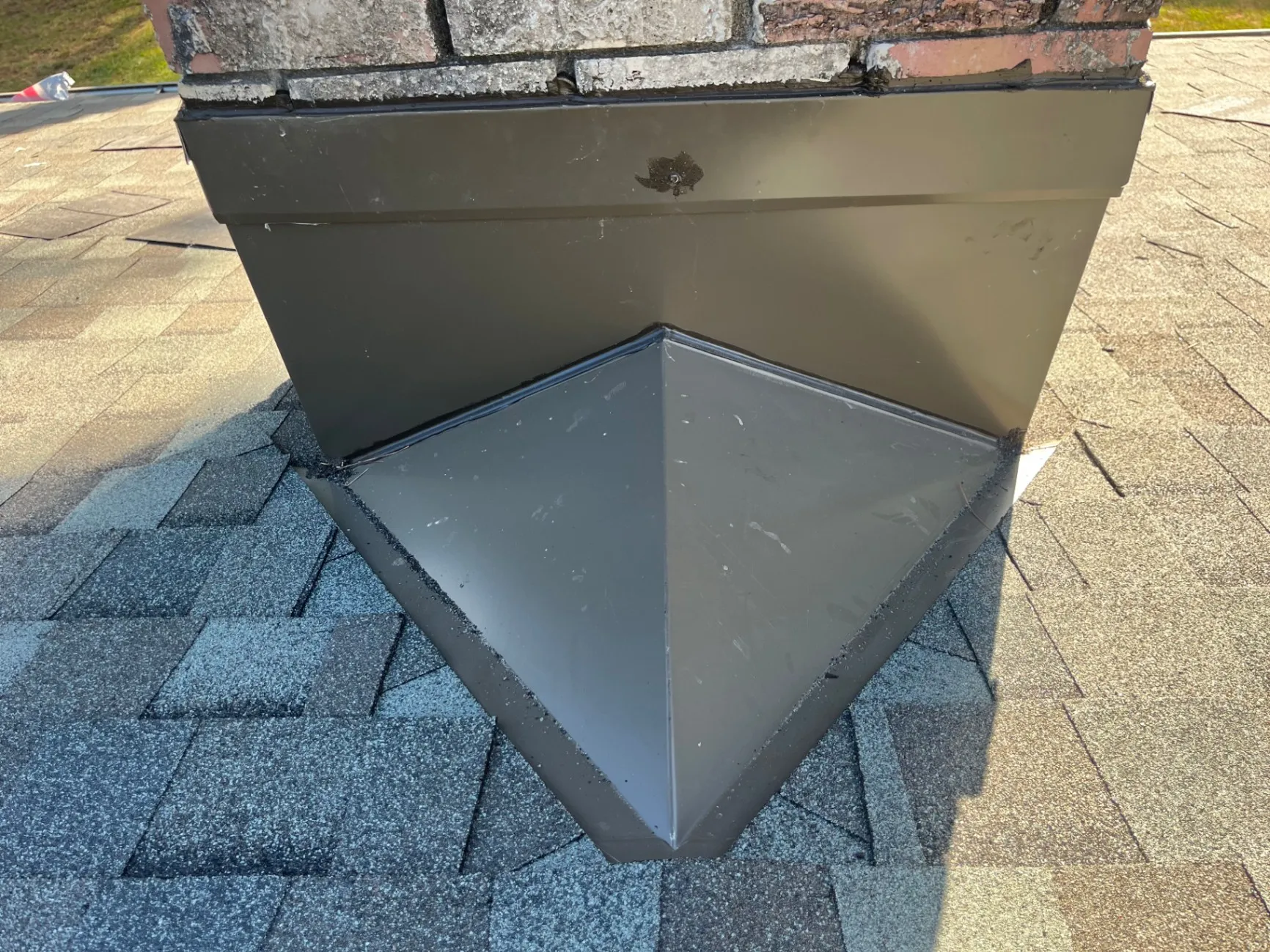
Standing seam and exposed-fastener metal roofs built for heat, hail, and high wind.
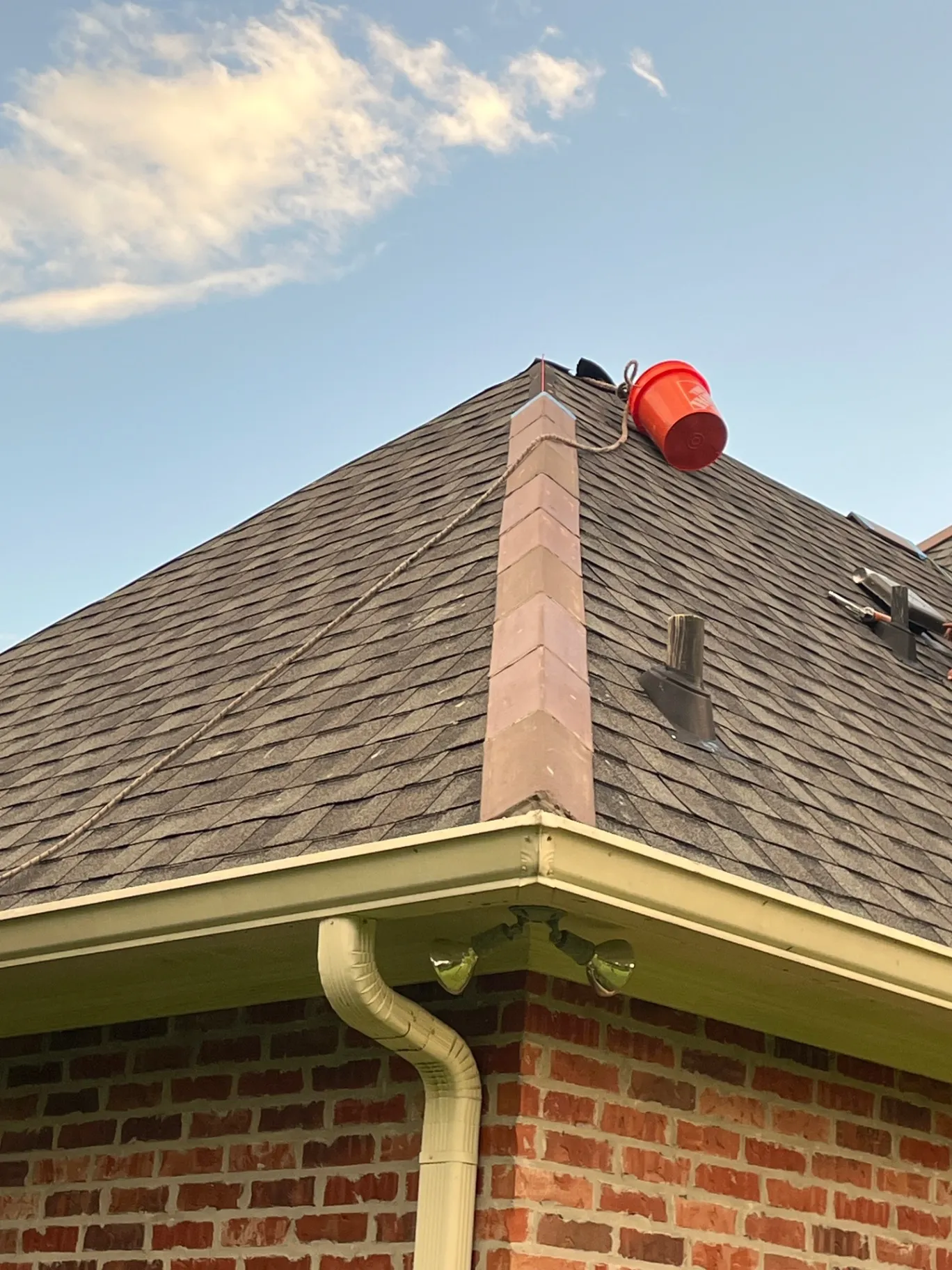
Seamless gutters and downspouts sized to move real rainfall away from the foundation.