Drainage assessment
We calculate roof drainage area, evaluate existing runs and outlets, check grading around the structure, and identify where water is currently ending up.


Licensed & insured · 25 years
Connect with us


Water Management · Nacogdoches County
Your roof sheds water. Your gutters decide where it goes. Undersized or failing gutters send it straight to the fascia, siding, and foundation — which is far more expensive to fix than the gutters. Available throughout Nacogdoches and surrounding Nacogdoches County communities.
Roof inspections, storm claims, and rental property roofing in Deep East Texas. Local exposure is what should drive material and detailing decisions, so here is what roofs in this market actually deal with:
Also serving nearby: Lufkin, Chireno, Cushing, Garrison, Douglass, Appleby
Gutters are the least glamorous part of a roof and one of the most consequential. A single inch of rain on a typical roof produces well over a thousand gallons of runoff. When gutters are undersized, poorly pitched, clogged, or missing downspouts, that volume ends up saturating soil against the foundation, rotting fascia and soffit, staining siding, and eroding landscaping.
We fabricate seamless gutters on site, which means the only joints in the entire run are at corners and outlets — the failure points on sectional gutters simply do not exist. We size the profile to the roof area and rainfall intensity, set the pitch so water actually reaches the outlets, and place enough downspouts to carry the volume rather than the bare minimum.
In this region, tree debris is the other half of the equation. Pine needles, leaves, and seed pods fill gutters fast, and a clogged gutter is functionally the same as no gutter at all. We install guard systems matched to your specific debris load, and we discharge water far enough from the structure that it does not simply return to the foundation.
Everything above applies to gutters projects in Nacogdoches. We inspect, quote, install, and warranty the work locally, and every estimate is written line by line so you can compare it fairly against any other bid you receive.
This is the full scope, not an upsell list. Anything we would have to add later is identified during the inspection and stated in the written estimate.
We calculate roof drainage area, evaluate existing runs and outlets, check grading around the structure, and identify where water is currently ending up.
Gutter is roll-formed to the exact length of each run at your property, eliminating the mid-run seams that leak on sectional systems.
Before hanging new gutter we check the fascia board for rot, because gutters fastened to compromised wood will pull loose no matter how good the gutter is.
Hidden hangers set at correct spacing with proper pitch to the outlets, so the run drains completely instead of holding standing water and debris.
Correctly sized and adequately spaced downspouts with extensions, splash blocks, or underground drainage carrying water well away from the foundation.
Screen, micro-mesh, or reverse-curve guard systems selected for the debris you actually deal with, rather than a one-size product.
Controlling roof runoff is the cheapest foundation insurance available. Repeated saturation and drying of soil against a slab or pier system is a leading cause of structural movement.
Seamless fabrication removes the joints where sectional gutters separate and drip, which means fewer streaks on siding and far less maintenance over time.
Water overflowing a clogged or undersized gutter runs straight down the fascia and behind the siding. Correct sizing and guards prevent rot before it starts.
A properly matched guard system keeps pine needles and leaves out, turning quarterly cleaning into an occasional inspection.
Concentrated roof runoff carves channels through beds and undermines walkways and driveways. Managed discharge stops the erosion.
A full color range in baked-on aluminum finishes that match trim and roof, installed with straight, correctly pitched lines.
From first call to final walkthrough, you always know what happens next.
We measure every run, calculate drainage load by roof area, check fascia condition, and evaluate where water needs to be discharged.
Written proposal covering gutter profile and size, downspout count and placement, guard type, color, and any fascia repair needed.
Rotted fascia and damaged soffit are corrected first so the new system has sound wood to attach to.
Runs are formed on site to exact length and hung with hidden hangers at proper spacing and pitch toward the outlets.
Downspouts installed and secured, guards fitted, and discharge extended or tied into underground drainage away from the structure.
We run water through the system to verify flow and check for standing water, then clean the site completely before the walkthrough.
We match the system to the building and the exposure rather than defaulting to whatever is cheapest to stock.
The residential standard: strong capacity, clean profile, wide color selection, and no rust. Suitable for most homes with typical roof areas.
Roughly 40% more capacity than 5-inch, and the right choice for large roof areas, steep pitches, long runs, or heavy-rainfall exposure.
A traditional rounded profile for historic and architectural homes, available in aluminum and copper for a premium appearance.
2x3 and 3x4 rectangular and round downspouts, with 3x4 strongly recommended on 6-inch systems and anywhere debris load is high.
Fine stainless micro-mesh for pine needles and shingle grit, or heavier screens for broadleaf debris. Selection depends on your tree cover.
Concealed hangers screwed into solid fascia at correct spacing — a stronger, cleaner attachment than the old spike-and-ferrule method.
This service is usually the right fit when:
Any of these is worth an inspection before it becomes interior damage:
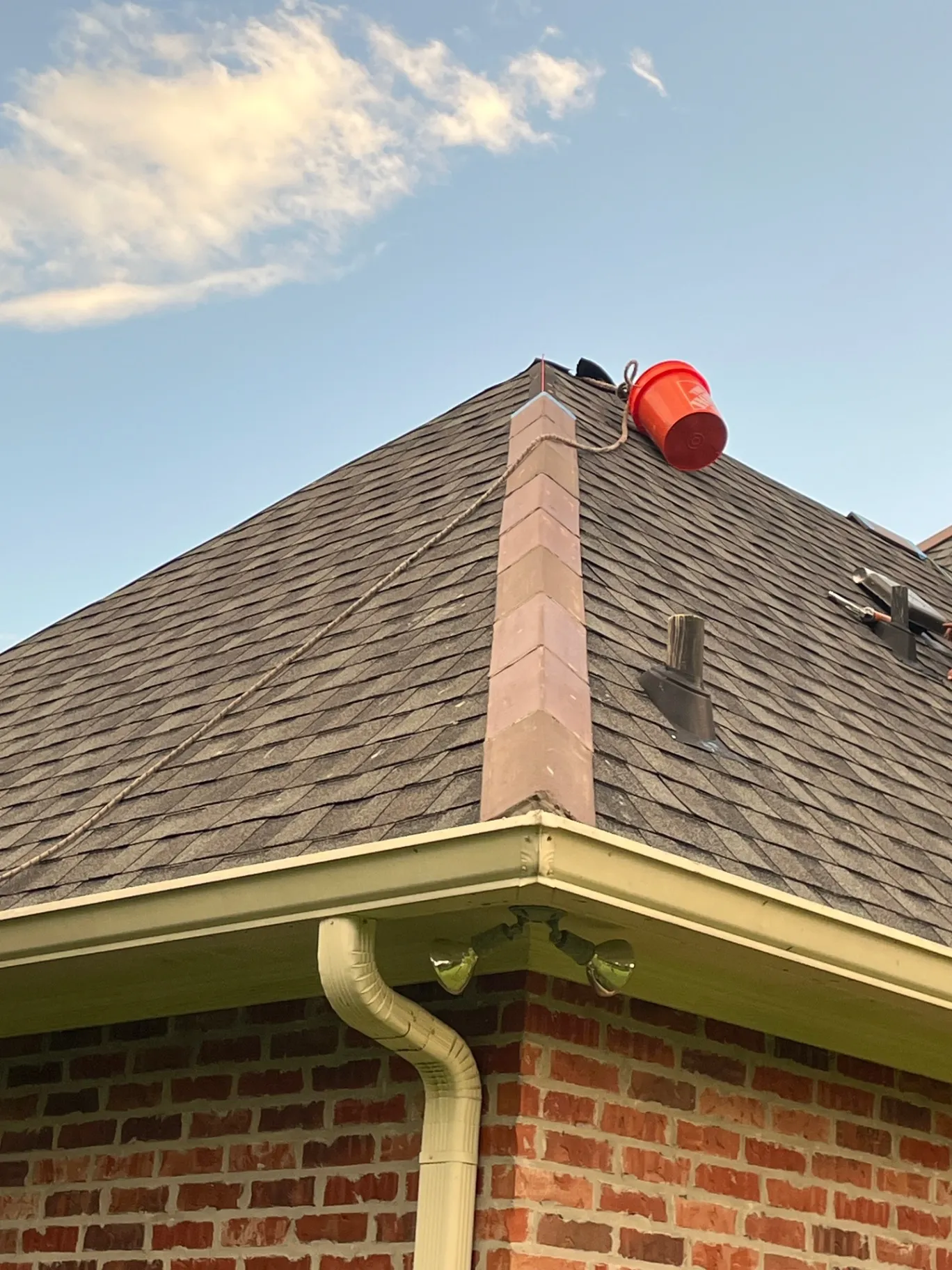
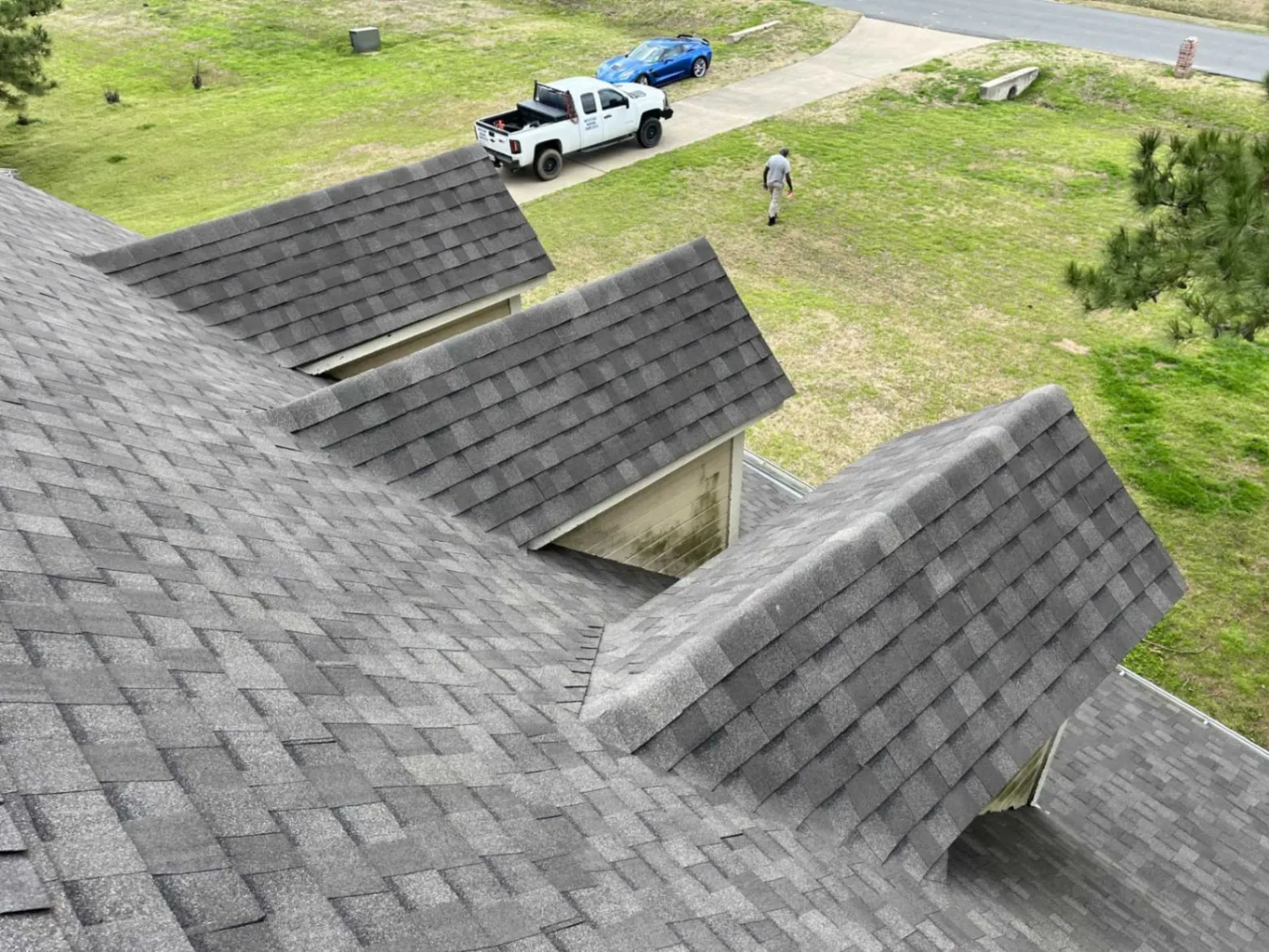

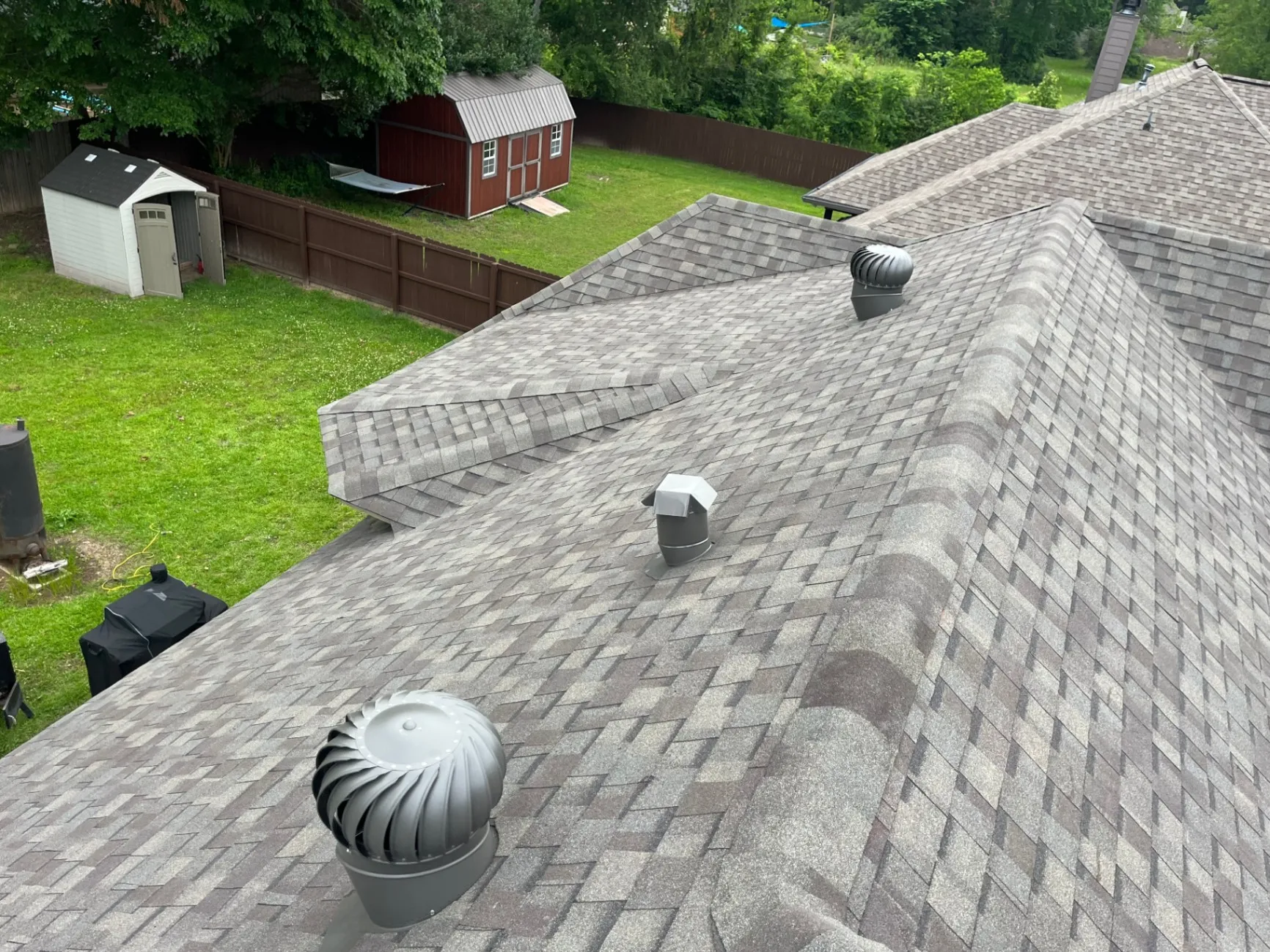
Request a free on-site gutter assessment covering drainage load, downspout sizing, guard options, and any fascia repair needed.
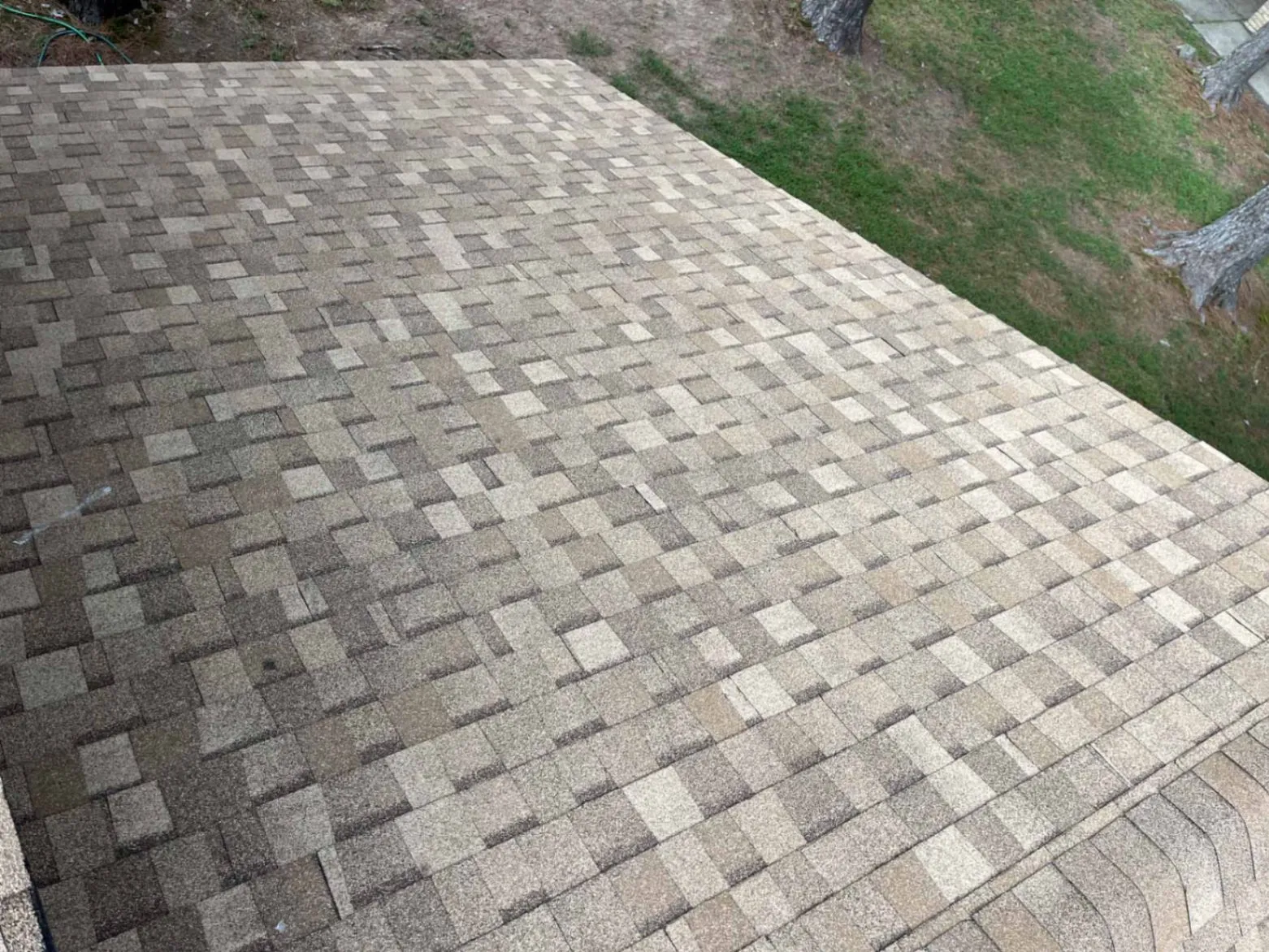
Architectural and impact-rated asphalt shingle roofs installed to full manufacturer spec.
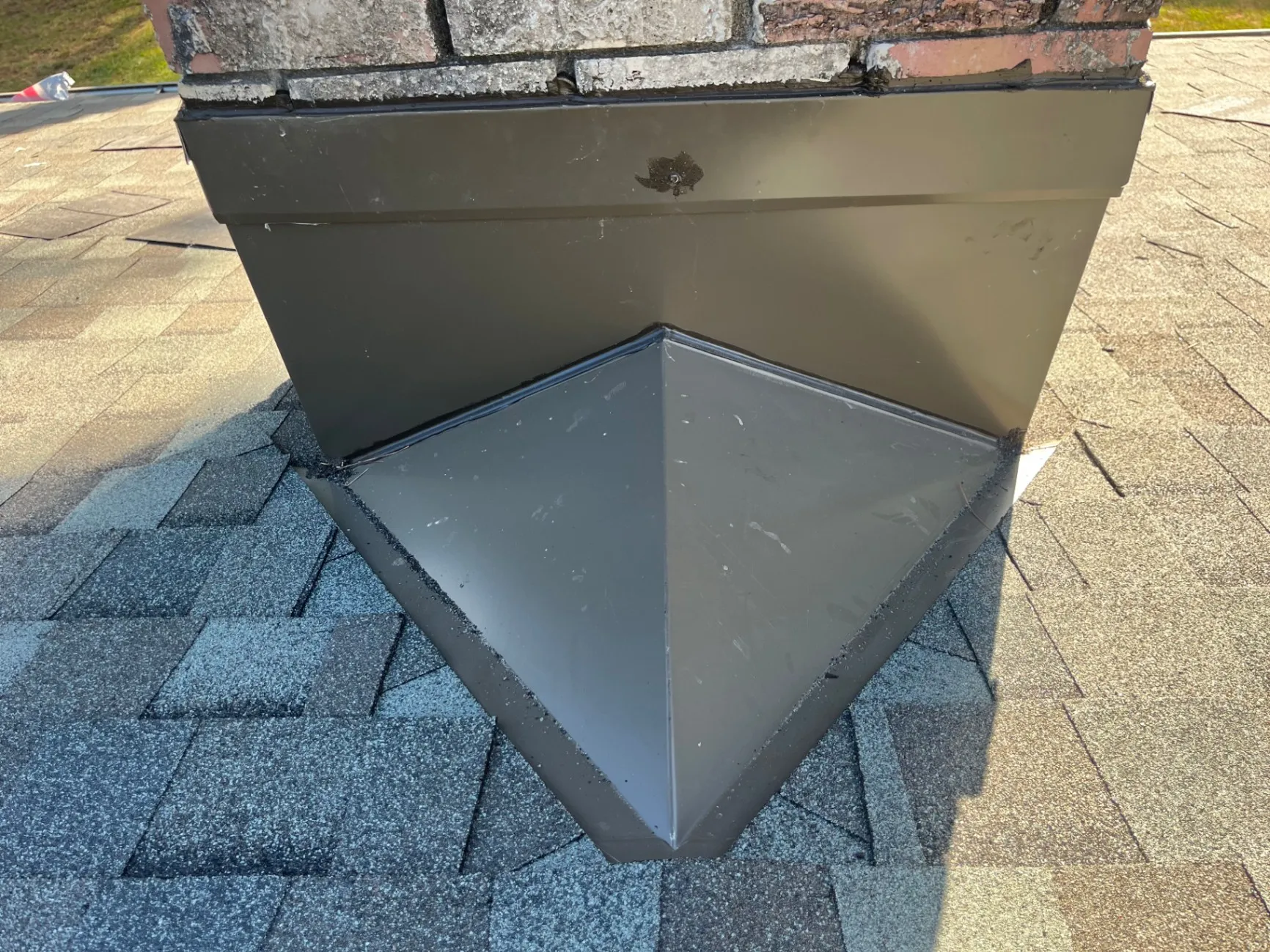
Standing seam and exposed-fastener metal roofs built for heat, hail, and high wind.
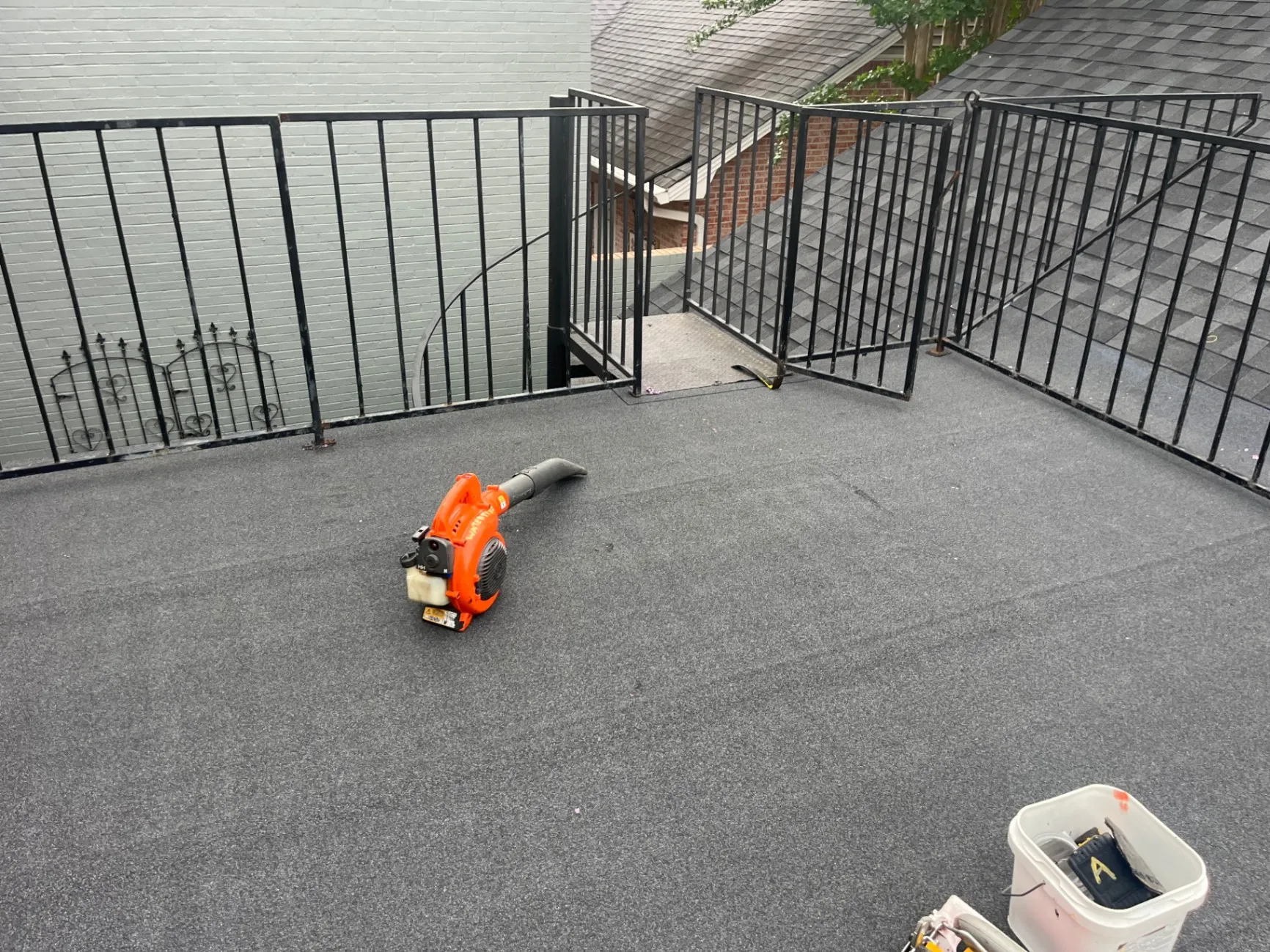
Low-slope roof systems engineered around drainage, not just coverage.