




Strong winds, hail, and heavy rain can damage a roof in minutes—and the signs aren’t always obvious from the ground. If you’re in Shreveport, Bossier City, or the surrounding areas, this step-by-step checklist helps you spot common storm damage early, document it properly, and avoid small issues turning into expensive repairs.
1) Safety first (before you inspect anything)
- Do not climb on the roof if it’s wet, steep, or you suspect structural damage.
- Watch for downed power lines, broken tree limbs, and loose gutters.
- If you see sagging decking, large limb impacts, or active leaks, treat it as an emergency.
2) Quick interior checklist: ceilings, attic, and walls
Start inside—interior symptoms often show up before exterior damage is visible. Walk room-by-room and check the attic if it’s safely accessible.
- Water stains or brown rings on ceilings and walls
- Dripping near vents, chimneys, or skylights
- Musty odor or damp insulation in the attic
- Daylight visible through the roof deck (attic)
3) Ground-level exterior checklist: what homeowners can see
From the ground, use binoculars or your phone’s zoom. You’re looking for changes in roof lines, missing materials, and impact marks.
- Missing, lifted, or cracked shingles
- Exposed underlayment or nail pops
- Granules collecting in gutters or near downspouts (common after hail)
- Bent or detached flashing around chimneys/vents
- Loose, sagging, or overflowing gutters
4) Storm damage by roofing type (shingle, metal, flat/TPO)
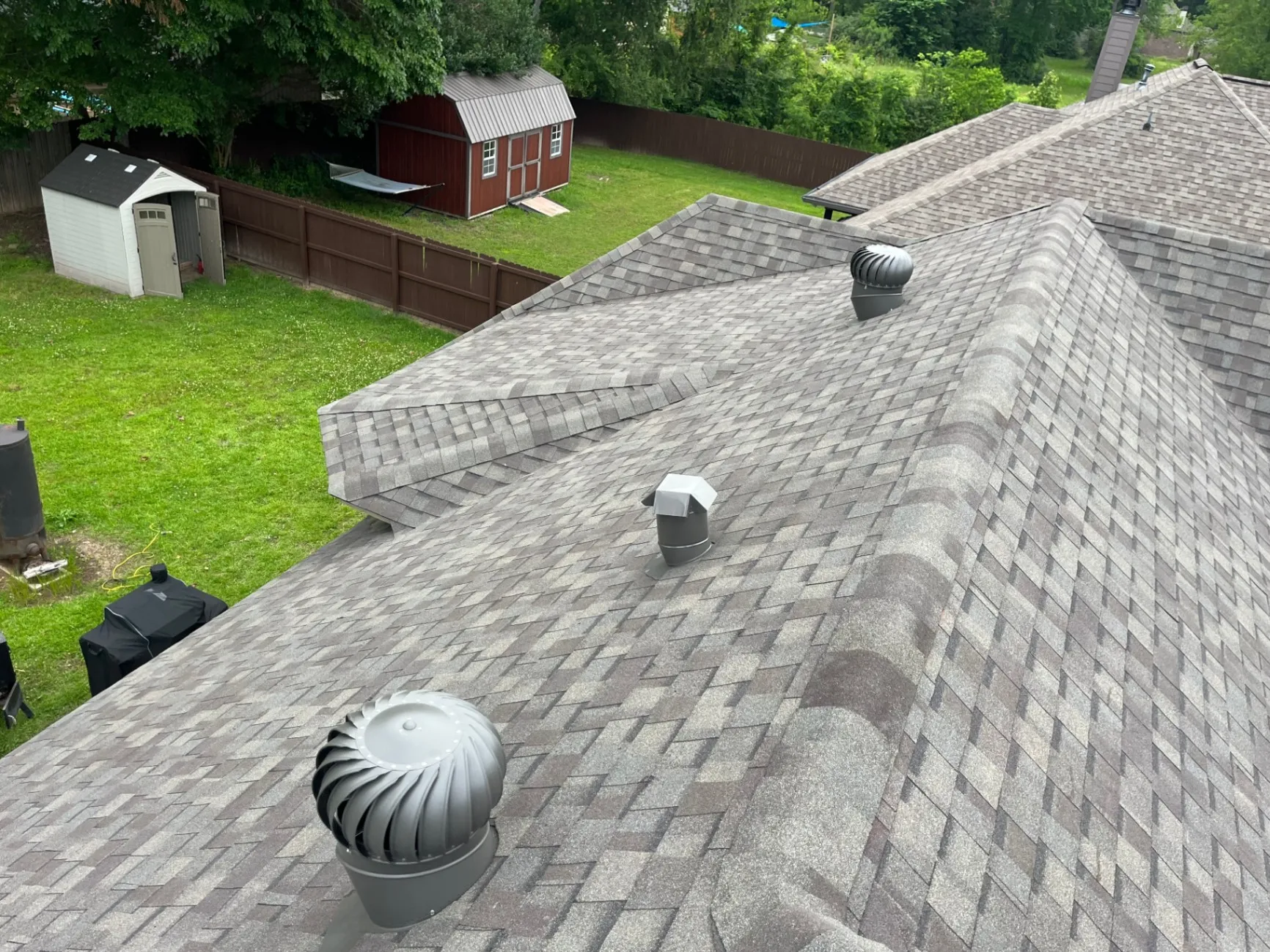
Shingle roofing
- Creased shingles (wind lift) that look like a fold line
- Hail bruising (often subtle—may require a professional inspection)
- Missing tabs or exposed seal strips
Metal roofing
- Dents from hail (cosmetic vs functional—depends on seams/fasteners)
- Loose fasteners or backing-out screws
- Damaged sealant around penetrations
Flat roofs / TPO
- Ponding water areas (standing water after 48 hours)
- Tears/punctures from debris impact
- Open seams or membrane lifting at edges
5) What to document for insurance (without risking your safety)
If the storm caused visible damage, good documentation can speed up the claims process. Keep everything dated and organized.
- Photos from multiple angles (front/back/sides) and close-ups with context
- Pictures of fallen limbs, damaged gutters, and interior water stains
- Storm date/time notes and any local weather alerts
- Receipts for temporary mitigation (tarps, dehumidifiers) if applicable
6) When to call for emergency roof repair
Call right away if you have active leaking, missing sections of roofing, or water entering near electrical fixtures. Quick mitigation helps prevent mold and structural damage.
Frequently asked questions
How soon should I schedule a roof inspection after a storm?
As soon as conditions are safe—ideally within 24–72 hours. Early inspections catch hidden damage and reduce the chance of secondary water intrusion.
Do I always need a full roof replacement after hail or wind?
Not always. Some roofs qualify for targeted repairs, while others may need replacement based on the extent of damage, age of materials, and manufacturer/insurance criteria.
Need a roof inspection in Shreveport, LA?
If you suspect storm damage, a professional inspection can confirm what’s happening and recommend the most cost-effective fix—repair, maintenance, or replacement. Abel Yanez Roofing LLC provides inspections, emergency repairs, and help navigating insurance documentation.
Need help with your roof?
Get a professional inspection and a clear recommendation—repair, maintenance, or replacement.